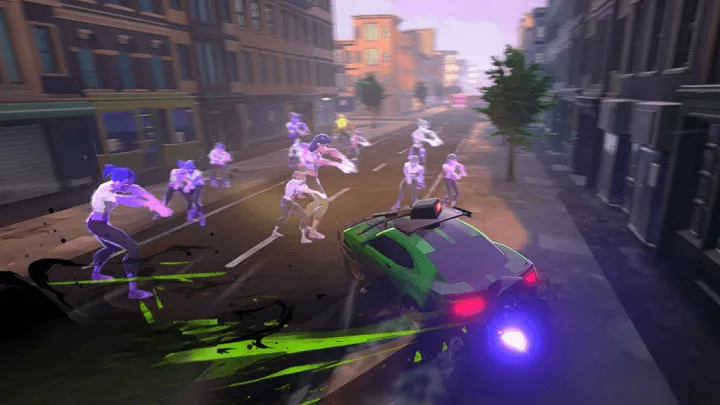



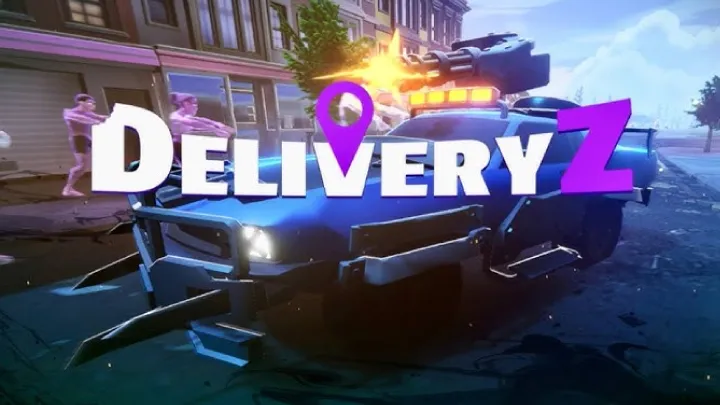
DeliveryZ has quickly risen to popularity in the gaming world, offering players the thrill of managing deliveries in a vibrant, dynamic environment. The game combines engaging mechanics with a unique narrative, allowing players to experience the challenges of a delivery driver navigating a bustling city. However, a significant issue that has surfaced within DeliveryZ is the balance of gameplay mechanics, specifically regarding difficulty levels, control responsiveness, and the impact of environmental factors on performance. This article examines these issues in detail, exploring how they shape player experience and engagement.
Understanding the Core Mechanics of DeliveryZ
DeliveryZ presents a colorful and chaotic world where players are tasked with delivering packages efficiently while navigating obstacles. The core mechanics define how players interact with this world and execute their delivery missions.
The Fundamentals of Gameplay
At its heart, DeliveryZ operates on mechanics that require quick reflexes, strategic planning, and adaptability. Players must coordinate their actions in an environment filled with pedestrians, vehicles, and other unpredictable elements.
Key Gameplay Elements
- Vehicle Handling: Players must master the controls of various delivery vehicles, each with unique handling attributes.
- Time Management: Completing deliveries within specified time limits adds a layer of urgency, requiring players to manage their routes effectively.
- Obstacle Navigation: The city environment is filled with challenges, such as traffic and weather changes, that players must navigate to ensure successful deliveries.
Game Progression and Difficulty Scaling
As players advance, the game introduces more complex scenarios. This progression is essential for maintaining interest, but it also raises questions about difficulty balance.
The Challenge of Scaling Difficulty
- Increasing Complexity: Missions become progressively more difficult, with more obstacles and tighter time constraints.
- Skill Development: Players are expected to develop their skills to cope with the increasing challenges presented in later levels.
The Impact of Difficulty on Player Experience
While the intent behind scaling difficulty is to enhance the challenge, improper implementation can lead to frustration among players. The balance of difficulty defines the overall satisfaction that players derive from their experience.
Misaligned Difficulty Levels
In some cases, players find that difficulty levels do not adequately reflect their acquired skills. This misalignment can lead to feelings of defeat or disengagement.
Examples of Difficulty Misalignment
- Early Levels Too Easy: Players may breeze through initial levels, feeling unchallenged and bored before they reach the difficult levels.
- Sudden Difficulty Spikes: Conversely, an abrupt increase in difficulty can frustrate players who may feel unprepared for the new challenges.
Emotional Responses to Difficulty
Difficulty can significantly affect player emotions, leading to various responses that impact engagement.
Frustration and Disengagement
- Loss of Motivation: Players encountering excessive difficulty may stop playing altogether, losing interest in the game.
- Negative Experience: A constant struggle against overly difficult challenges can lead to dissatisfaction and frustration, detracting from the fun of gameplay.
Control Responsiveness and Player Agency
Control responsiveness is another critical aspect that influences how players interact with DeliveryZ's mechanics. If controls are perceived as laggy or unresponsive, it can severely impact the gaming experience.
The Importance of Responsive Controls
Responsive controls are essential for allowing players to navigate the chaotic environment effectively. Players should feel in command of their actions at all times.
Effects of Lag or Unresponsiveness
- Frustration in Tight Situations: During high-pressure moments, laggy controls can result in missed opportunities and failed deliveries.
- Loss of Agency: Players may feel a lack of agency if their actions do not translate accurately into in-game consequences.
Ensuring Smooth Gameplay
To create a satisfying experience, the developers must ensure that controls are optimized for responsive gameplay, allowing players to tackle challenges fluidly.
Strategies for Improvement
- Regular Testing: Continuous testing of control mechanics can help identify and rectify responsiveness issues before updates go live.
- Player Feedback Loops: Actively seeking player feedback on control responsiveness can guide developers in improving gameplay mechanics.
Environmental Challenges and Their Impact on Delivery
The environment in DeliveryZ presents players with unique challenges that can either enhance or detract from the gameplay experience. Weather conditions, traffic patterns, and city layouts significantly affect delivery missions.
The Role of Environmental Factors
Environmental challenges are designed to add layers of complexity to delivery missions. However, they can also introduce difficulties that may not align with players’ expectations.
Examples of Environmental Challenges
- Dynamic Weather Changes: Sudden rainstorms or snow can make driving difficult and affect visibility.
- Changing Traffic Patterns: Player tactics may need to adapt depending on the city’s traffic flow, adding an unpredictable element to each delivery.
Balancing Environmental Factors with Gameplay
While environmental challenges can enrich the game, they can also be a source of frustration if players feel that these factors unfairly impede progress.
Balancing Fun and Frustration
- Transparent Mechanics: Clearly communicating how environmental factors will impact gameplay can help players navigate challenges with confidence.
- Incorporating Training Levels: Introducing training scenarios that allow players to experience weather challenges without the pressure of time can aid in understanding the mechanics.
Community Reaction to Gameplay Mechanics
The player community plays a significant role in shaping perceptions of gameplay mechanics in DeliveryZ. Player feedback can highlight both strengths and weaknesses, providing developers with valuable insights.
Utilizing Player Feedback
Active engagement with the community allows developers to gauge player sentiment and identify areas for improvement.
Feedback Channels
- Online Forums: Players can share their experiences and frustrations, offering developers a clearer picture of player interactions with mechanics.
- Social Media Channels: Using social media as a platform for gathering anecdotes and feedback can build a stronger connection between developers and players.
Impact of Community Dynamics
Community discussions can influence how developers prioritize gameplay mechanics in future updates, leading to altered approaches to challenges.
Examples of Community Dynamics
- Sharing Strategies: Players often share strategies to overcome difficult levels, affecting how others approach the game.
- Organizing Competitions: Community-driven tournament events may highlight specific gameplay mechanics that resonate with players.
The Importance of Game Updates and Iteration
As DeliveryZ grows, ongoing updates are vital for addressing gameplay mechanics and maintaining player engagement. Developers must remain proactive in iterating on mechanics based on community feedback.
Regular Updates: A Necessity
Frequent updates can introduce new content, fix bugs, and fine-tune mechanics, ensuring that gameplay remains fresh and enjoyable for players.
Areas for Subsequent Improvements
- Adjusting Difficulty Levels: Updating levels to smooth out difficulty spikes based on player performance can enhance overall gameplay experiences.
- Control Optimization: Regular refinements to control responsiveness can ensure players remain engaged and in command of their actions.
Listening to Player Sentiment
Developers play a crucial role in remaining attuned to player sentiment concerning gameplay mechanics and balance.
Implementing Feedback in Future Updates
- Surveys Post-Update: Conducting surveys after major updates allows developers to gauge player sentiment and identify areas for further adjustments.
- Collaborating with Top Players: Engaging top players to provide insight on mechanics can guide developers in improving overall game balance.
Toward a Balanced Future in DeliveryZ
As DeliveryZ continues to develop, creating a balanced and enjoyable experience is essential for sustaining player engagement. The challenges of gameplay mechanics, from difficulty scaling to environmental factors, must be addressed with player feedback at the forefront.
Prioritizing Player Experience
Developers should foster an environment that prioritizes player experience, ensuring that mechanics are fine-tuned to enhance satisfaction and long-term engagement.
Strategies for Creating a Balanced Experience
- Dynamic Difficulty Adjustments: Implementing dynamic difficulty systems that adjust gameplay based on player performance can keep the game accessible.
- Enhancing Control Mapping: Offering customizable control options may enhance player comfort and responsiveness.
Fostering a Supportive Community
Creating a supportive community allows players to share experiences and strategies, enriching the collective gaming experience. Building positive player relationships encourages constructive dialogue.
Engaging Players in the Development Process
- Community-Building Events: Organizing events that celebrate player achievements can strengthen community bonds.
- Feedback-Friendly Environments: Creating a culture that invites constructive feedback further engages players in the development journey.
Conclusion
The gameplay mechanics in DeliveryZ, from difficulty scaling to environmental challenges, significantly influence player experience and engagement. Addressing these aspects effectively is vital for creating a balanced gaming experience that resonates with players. By focusing on player feedback, optimizing control responsiveness, and continually adapting content, DeliveryZ can grow into a more refined and enjoyable game. The ongoing challenge lies in maintaining the delicate balance between difficulty and satisfaction, all while fostering a community that enhances the gaming experience.