
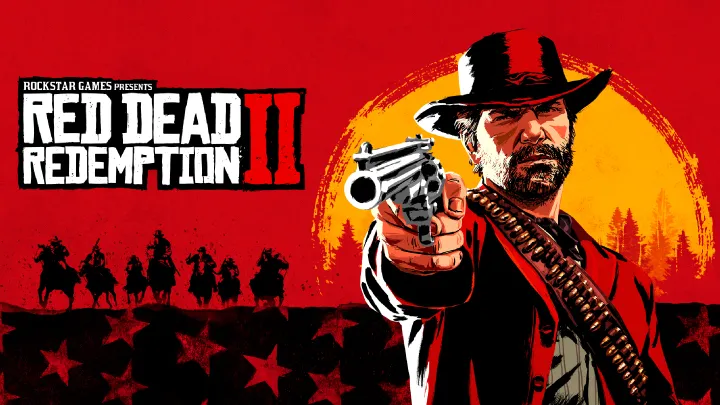
Red Dead Redemption II has returned to gaming headlines, not because of a major expansion or sequel announcement, but due to renewed player interest, community activity, and ongoing discussion about its legacy. Years after its original launch, the game is once again being talked about as a benchmark for open-world design, narrative depth, and immersion. This resurgence highlights an unusual phenomenon in modern gaming: a single-player–focused title remaining culturally relevant long after its release window.
Rather than covering general praise, this news article focuses on why Red Dead Redemption II is resurfacing in conversations, what is driving renewed engagement, and how its design continues to influence both players and developers today.
1. Player resurgence driven by next-generation hardware
One major reason Red Dead Redemption II is back in the spotlight is the rise of new console generations and high-end PCs. Players revisiting the game on stronger hardware are experiencing smoother performance, faster loading times, and improved visual clarity.
This technical improvement has sparked widespread discussion online, with players sharing clips and screenshots that remind audiences how advanced the game still looks. In many cases, the visual quality rivals or exceeds newer releases, prompting comparisons and renewed praise.
As a result, Red Dead Redemption II is frequently cited in discussions about games that have “aged too well.”
 2. Viral clips and social media rediscovery
Short-form video platforms have played a significant role in the game’s renewed visibility. Clips showcasing random encounters, detailed NPC reactions, and emotional story moments regularly go viral.
These clips often highlight:
- NPC memory and reactivity
- Dynamic world events
- Subtle animation details
For many viewers, these moments feel more alive than similar systems in newer games, sparking curiosity and encouraging first-time purchases or replays.
3. Ongoing debate about single-player game value
Red Dead Redemption II has become central to a broader industry discussion: the long-term value of single-player experiences. As many modern games shift toward live-service models, RDR2 is frequently referenced as proof that single-player titles can remain relevant without constant updates.
Gaming communities often use the game as an example when criticizing rushed releases or shallow open worlds. Its continued popularity strengthens arguments for slower development cycles and deeper narrative focus.
4. Community-driven challenges and self-imposed playstyles
Another reason the game remains in the news cycle is the creativity of its community. Players regularly invent new ways to experience the game, keeping it fresh without official updates.
Popular community trends include:
- No-map or no-HUD playthroughs
- High-honor or low-honor narrative runs
- Slow-living challenges focused on hunting and survival
These self-imposed rules transform the experience and generate discussion, videos, and guides that keep the game visible.
5. Renewed attention to Arthur Morgan as a protagonist
Arthur Morgan continues to be praised as one of the strongest protagonists in video game history. Recent discussions often revisit his character arc, moral complexity, and emotional impact.
As new players discover the game for the first time, older fans re-engage in analysis, essays, and retrospectives. This ongoing conversation keeps Red Dead Redemption II relevant in narrative-focused gaming news.
6. Comparisons with newer open-world releases
Each major open-world game release tends to reignite comparisons with Red Dead Redemption II. Players and critics alike measure environmental detail, NPC behavior, and storytelling depth against Rockstar’s title.
In many cases, these comparisons favor RDR2, reinforcing its reputation as a standard-setter rather than a product of its time. This constant reference cycle keeps the game part of current industry discourse.
7. Sales momentum through discounts and re-releases
Periodic sales events have introduced Red Dead Redemption II to new audiences at lower price points. These waves of new players often lead to spikes in online discussion, streaming activity, and content creation.
Each new player wave refreshes the community and restarts conversations that might otherwise fade, effectively giving the game multiple “second launches.”
 8. Academic and design analysis in game development circles
Beyond players, Red Dead Redemption II is frequently discussed in game development and design communities. Its systems are analyzed for pacing, immersion, and narrative integration.
Developers reference it when discussing:
- Environmental storytelling
- Character-driven open worlds
- Player agency without explicit choice menus
This professional-level discussion contributes to its long-term relevance as a case study.
9. Longevity without reliance on constant updates
In an era where games often depend on weekly patches and seasonal content, Red Dead Redemption II stands out by remaining relevant with minimal change. This has become newsworthy in itself.
The game’s ability to maintain interest through depth rather than novelty is increasingly rare, making it a frequent example in conversations about sustainable game design.
10. Legacy positioning as the industry evolves
As the gaming industry evolves, Red Dead Redemption II is increasingly framed not just as a great game, but as a historical milestone. Discussions now focus on its legacy rather than its launch.
This shift—from product to reference point—is a strong indicator of lasting impact and explains why it continues to appear in news cycles years later.
Conclusion
Red Dead Redemption II’s return to gaming news is not driven by marketing, but by memory, comparison, and rediscovery. Its systems, storytelling, and world design continue to resonate with players and developers alike. In a fast-moving industry, the game’s ability to remain relevant without change is its most remarkable achievement. Red Dead Redemption II is no longer just a popular title—it is a lasting benchmark.