Red Dead Redemption II Tips & Guide: How To Survive, Earn, and Thrive in a Living Frontier

Red Dead Redemption II is not a game you rush through. It is a slow, deliberate open world that rewards patience, observation, and smart decision-making. Many players struggle not because the game is difficult, but because they play it like a typical action game. This Tips & Guide focuses on practical strategies that help you progress smoothly, earn money efficiently, and avoid common mistakes that quietly hold players back.
Rather than explaining basic controls, this guide dives into real gameplay habits: how to manage Arthur Morgan’s condition, make money without grinding, handle combat intelligently, and live within the game’s systems instead of fighting them. If you want to play Red Dead Redemption II well—not fast, not flashy, but effectively—this guide is for you.
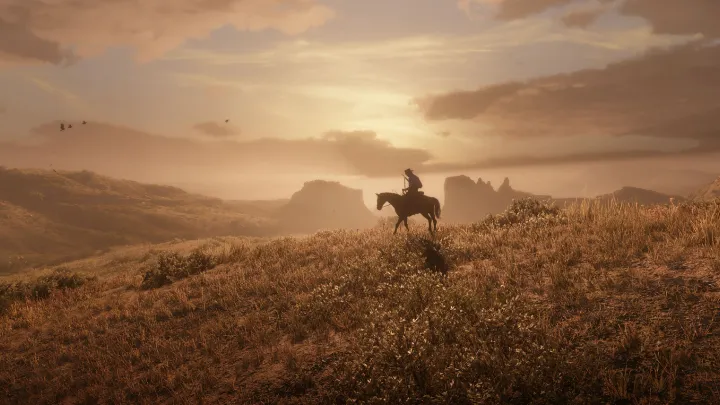
1. Slow down and play the world, not the map
One of the biggest mistakes players make in Red Dead Redemption II is treating it like a checklist game. Chasing map icons and mission markers causes you to miss resources, encounters, and opportunities that make life easier long-term.
A better approach:
- Ride at a moderate pace
- Watch the environment instead of the mini-map
- Stop for random encounters
Many valuable items, side quests, and character moments only appear when you slow down and let the world breathe.
2. Maintain Arthur’s core stats consistently
Arthur’s health, stamina, and Dead Eye cores are not background systems—they directly affect survival and combat performance. Ignoring them leads to weak gunfights and unnecessary deaths.
Key habits to build early:
- Eat regularly, not only when cores are empty
- Sleep to restore and stabilize stats
- Avoid extreme underweight or overweight conditions
A well-maintained Arthur performs better in every situation, especially during long missions.
 3. Loot smarter, not more often
Looting is essential, but looting everything wastes time and attracts trouble. The smartest players know what to take and what to ignore.
Prioritize:
- Ammo and tonics
- High-value items like jewelry and watches
- Enemy bodies after confirmed safety
Do not loot in the middle of active combat zones or during law response unless you are certain it is safe.
4. Make money without grinding missions
Many players believe missions are the main source of income, but Red Dead Redemption II offers far better alternatives.
Efficient money-making methods include:
- Hunting legendary animals
- Selling perfect pelts and carcasses
- Completing treasure hunts
These activities provide large payouts and useful upgrades without repetitive grinding.
5. Use Dead Eye strategically, not constantly
Dead Eye is powerful, but relying on it too heavily creates bad habits. It should be used as a tool, not a crutch.
Best uses for Dead Eye:
- Opening moments of ambushes
- Disarming multiple enemies quickly
- Hunting clean kills for perfect pelts
Learning to aim well without Dead Eye makes combat smoother and more satisfying overall.
6. Choose weapons based on situation, not preference
Red Dead Redemption II offers many weapons, but not all are useful in every scenario. Using the wrong weapon slows fights and increases risk.
General guidelines:
- Repeaters for mid-range combat
- Shotguns for close quarters
- Rifles for hunting and long-range shots
Regularly clean your weapons to maintain accuracy and damage.
7. Manage honor with long-term rewards in mind
Honor affects story outcomes, shop prices, and character interactions. Playing randomly often locks players into higher costs and limited options.
If aiming for high honor:
- Help strangers and travelers
- Avoid unnecessary violence
- Complete honorable side missions
If choosing low honor, commit to it intentionally rather than drifting into it by accident.
8. Camp upgrades are not optional
The camp is more than a story hub—it is a progression system. Ignoring camp upgrades makes the game harder than it needs to be.
High-priority upgrades:
- Fast travel map
- Ammo and medicine supply upgrades
- Improved lodging for core recovery
Investing in camp early saves time and resources later.
 9. Learn when to fight and when to walk away
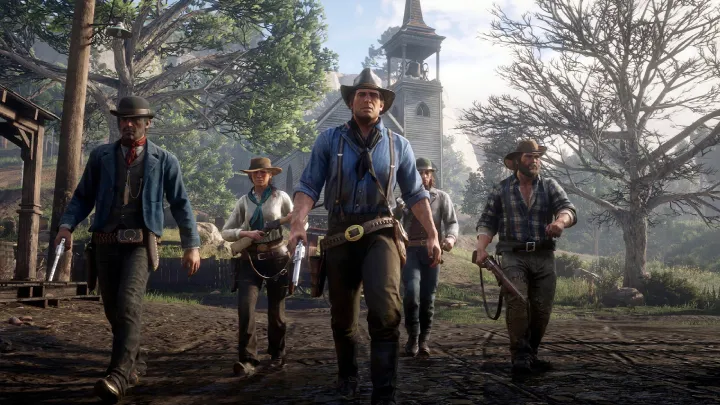
Not every conflict needs to be resolved with violence. Many situations escalate faster than expected, especially in towns.
Smart survival habits:
- De-escalate verbally when possible
- Leave areas before law response grows
- Save before risky encounters
Knowing when to disengage preserves resources and avoids long-term consequences.
10. Play for immersion, not efficiency
Red Dead Redemption II rewards players who embrace its pace. Trying to optimize every moment often leads to frustration.
A healthier mindset:
- Accept slow travel
- Enjoy side activities like fishing and poker
- Let the story unfold naturally
The more you respect the game’s rhythm, the more satisfying it becomes.
Conclusion
Red Dead Redemption II is at its best when played thoughtfully. By maintaining Arthur’s condition, managing money wisely, choosing the right tools for each situation, and respecting the game’s slow pace, you turn survival into mastery. These tips and strategies help you experience the frontier not as a constant struggle, but as a rich, living world where preparation and patience always pay off.