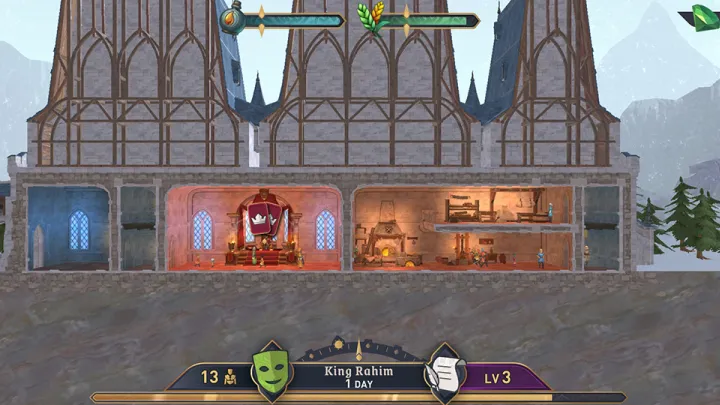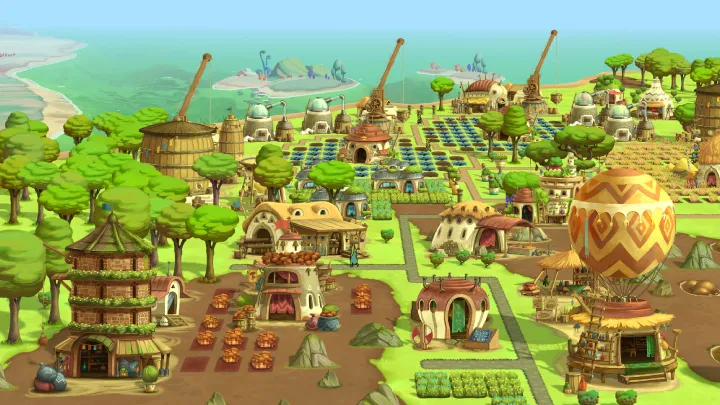







The Elder Scrolls: Castles has garnered significant attention for its blend of city-building mechanics and RPG elements, allowing players to construct and manage their own castles while interacting with familiar characters from the Elder Scrolls universe. However, one persistent issue that players face is the complex resource management system that underpins gameplay. This article will explore the intricacies of resource allocation, the balance of economy versus gameplay progress, and the implications of resource scarcity on player experience.
Understanding Resource Management in Castles
Resource management is a core component in “The Elder Scrolls: Castles.” As players construct their castles, the effective allocation and utilization of resources will determine their success in expanding their domain.
The Role of Resources
In Castles, resources can be classified into several categories:
- Gold: The primary currency used for most transactions, from building new structures to recruiting heroes.
- Stone: Essential for constructing buildings and fortifications.
- Wood: Another fundamental material necessary for castle expansion and upgrades.
- Food: Needed to sustain your population and keep morale high.
Each resource plays a critical role in various aspects of gameplay, requiring players to strategically balance their collection and expenditure.
The Resource Collection Cycle
Players must engage in a continuous cycle of resource collection, management, and expenditure. Each activity drains specific resources while generating others, keeping players engaged in a cycle of planning and execution.
Gathering Resources
- Quests and Missions: Players send heroes on quests that yield various resources upon completion.
- Building Structures: Constructing resource-generating buildings allows for passive income of gold, wood, and stone.
The Importance of Strategic Planning
Effective resource management requires foresight and strategy. Players must anticipate their needs based on castle expansion goals, upcoming quests, and population demands.
Planning for Expansion
To successfully expand their castle, players need to plan their resource allocation in advance, balancing immediate needs with long-term goals. This requires awareness of:
- Current population demands.
- Upcoming quest rewards.
- The need for fortified defenses.
The Economic Balancing Act
While resource management is essential, balancing the economy of the castle also plays a critical role in player experience. A well-balanced economy allows players to develop their castles without undue hardship.
The Impact of Economic Imbalance
When players focus too heavily on one aspect of resource management, they may find themselves facing economic downturns. Over-investment in infrastructure, for instance, might lead to a lack of funds for hiring heroes or completing quests.
Consequences of Poor Economic Decisions
- Building Delays: Insufficient resources might halt construction, slowing progress.
- Hero Availability: Lack of gold will limit the recruitment of heroes needed for quests.
- Population Discontent: An inability to provide adequate food can lead to low morale, negatively impacting growth.
Strategies for Economic Balance
To maintain a balanced economy, players should consider the following strategies:
- Diversify Resource Generation: Build various structures that provide different resources.
- Monitor Economy Regularly: Keep an eye on the income and expenditure of resources to adjust as needed.
- Prioritize Quests: Focus on quests that yield the most valuable resources, ensuring sustainability.
Resource Scarcity and Its Implications
Resource scarcity presents a significant challenge in “The Elder Scrolls: Castles,” profoundly impacting gameplay and player satisfaction. Understanding how players can navigate these restrictions is crucial for long-term success.
The Concept of Resource Scarcity
Resource scarcity occurs when players cannot collect enough materials to meet their needs. This can lead to a sense of stagnation or frustration.
Causes of Scarcity
Common causes of resource scarcity in the game include:
- Overexpansion: Rapidly building multiple structures can overwhelm resource generation capabilities.
- Neglect: Failing to properly engage in missions can slow resource accumulation.
- Unforeseen Events: Random events, such as economic downturns or natural disasters, can deplete resources unexpectedly.
The Role of Gameplay Complexity
The complexity of managing resources also introduces layers of strategic planning to the gameplay. Players must consider how best to navigate their castle’s needs while mitigating the risk of scarcity.
Overcoming Scarcity
To deal with resource scarcity, players can adopt several strategies:
- Regularly Participate in Quests: Increased engagement with quests ensures a steady flow of resources.
- Prioritize Upgrades: Focus on upgrading resource-generating buildings before expanding production lines.
- Trade Resources: If available, trading can replenish scarce resources efficiently.
The Psychological Impact of Resource Management
Resource management does not just serve a mechanical purpose; it also significantly impacts the psychological experience of players. The trials of managing scarce resources can lead to various emotional responses.
Stress and Anxiety
Players often experience stress, especially when faced with resource shortages, which can create feelings of frustration. The pressure to manage resources can lead to emotional strain.
Emotional Responses
- Frustration: Inability to progress due to resource shortages can result in dissatisfaction and disengagement.
- Rewarding Accomplishments: Successfully managing resources and seeing the castle flourish can produce feelings of achievement.
The Effect of Reward Systems
Effective resource management leads to rewarding achievements and a sense of progress, helping to alleviate stress. The game’s reward system plays a critical role in shaping player motivation.
Examples of Rewards
- Completion of Quests: Successfully completing a quest provides helpful rewards.
- Achievements for Castle Upgrades: Players receive accolades for hitting building milestones.
Community Engagement and Resource Sharing
The player community often provides insights and strategies that help others navigate resource management challenges. Engaging with fellow players can enhance the overall experience.
Sharing Knowledge and Strategies
Online forums, social media, and gaming communities allow players to share their experiences and strategies for managing resources effectively. This information sharing creates a sense of camaraderie among players.
Effective Resource Strategies
Players often discuss various strategies, such as:
- Best Structures for Resource Generation: What buildings yield the highest return on investment.
- Optimal Quest Choices: Community members can provide insights based on efficient quest completions.
The Role of Community Events
Occasional in-game events can also foster community participation, encouraging players to collaborate on resource gathering. These events can help unite players while enhancing gameplay.
Benefits of Community Engagement
- Enhanced Gameplay Experience: Connecting with others can enrich the overall gaming experience.
- Learning from Experts: Experienced players often share tips that can dramatically improve resource management skills.
Future Updates and Resource Management Mechanics
As “The Elder Scrolls: Castles” evolves, future updates may bring changes to resource management systems that could improve player experience and engagement.
Enhancing Resource Generation
Improvements in how resources are generated will be crucial. Potential updates could focus on:
- Increasing Output of Resource Buildings: Balancing the generation rates could alleviate shortages.
- Implementing New Resource Types: New resources could introduce dynamic management challenges.
Emphasizing Player Control
Giving players more control over resource management choices can create a more engaging experience. Options could include adjusting production levels or prioritizing specific resource types.
Introducing Progressive Difficulty
Developers might consider incorporating progressive difficulty based on player progression. As players advance, resource demands should scale to keep them engaged while also challenging them.
Balancing Challenges with Rewards
New gameplay mechanics that balance challenges and rewards can enhance the sense of achievement among players. For example:
- Incentives for Difficult Quests: High-risk quests should yield more valuable resources.
- Tiered Castle Management: As players progress, increasing complexity in resource management can keep gameplay fresh.
Conclusion
Resource management is a central pillar of gameplay in “The Elder Scrolls: Castles,” shaping player experiences through challenges and strategic planning. The issues surrounding resource scarcity and economic balancing offer both trials and pathways for player engagement and satisfaction. As developers continue to refine these mechanics, enhancing player control and community engagement, the potential for a deeper and more rewarding experience will grow. By understanding these dynamics, players can not only thrive in managing their castles but also revel in the rewarding challenges that "The Elder Scrolls: Castles" has to offer.