.webp)




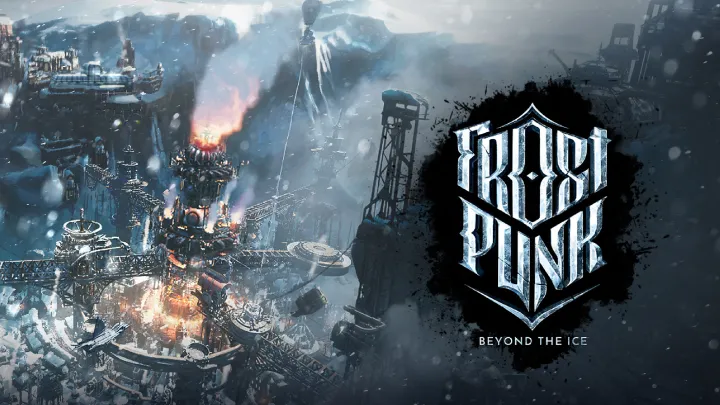
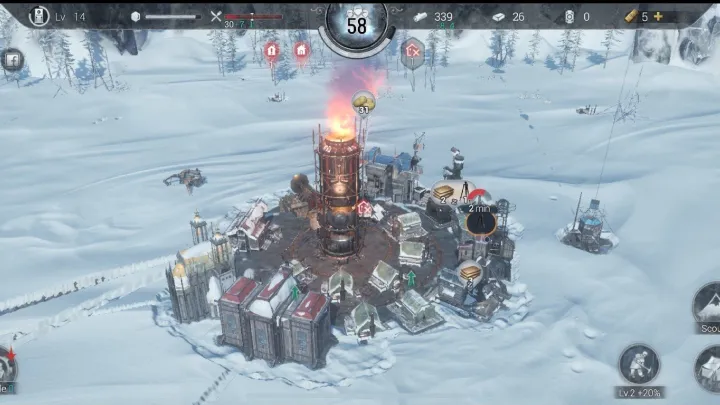
Frostpunk: Beyond the Ice expands upon the chilling narrative and strategic depth of its predecessor, challenging players to make complex ethical decisions in a frozen world. The game delves deeply into the tension between survival and morality within a post-apocalyptic setting, posing a significant issue: the balance between authoritarian governance and the welfare of the populace. This article examines the ethical dilemmas that arise as players navigate the harsh realities of governance, resource management, and social dynamics in Frostpunk: Beyond the Ice.
The Foundation of Ethical Decision-Making in Frostpunk
At its core, Frostpunk is a city-building survival game that requires players to govern a society in an extreme climate. Every decision affects the lives of citizens, creating a heavy moral burden on the player.
What Makes Frostpunk Unique?
Unlike many other city-building games, Frostpunk places a strong emphasis on ethical and moral decisions. Players are not only tasked with building and maintaining a city but also with navigating the consequences of their governance choices.
The Weight of Leadership
- Survival vs. Morality: Players are constantly torn between ensuring their citizens’ survival and upholding their ethical values.
- Consequences of Choices: Each action taken has far-reaching implications, influencing both community morale and survival chances.
The Role of Context in Decision-Making
In Beyond the Ice, players must consider the context of each decision, which adds layers of complexity to the ethical considerations faced throughout gameplay.
Environmental Conditions
The extreme weather and limited resources heighten the stakes of decisions, forcing players to confront their societal values more directly.
The Illusion of Democracy
In Frostpunk, players can choose to adopt democratic governance or authoritarian rule, each with unique advantages and drawbacks. However, the implementation of democracy often proves to be an illusion, shaped by survival needs.
Mechanisms of Governance
Players must select laws that affect their governance style. The game offers various laws, like child labor or emergency measures, which can improve survival rates but may also devastate public morale.
The Facade of Choice
- Public Sentiment: While players might see themselves as democratic leaders, citizens’ happiness is easily manipulated.
- True Empowerment: The decision-making power often lies heavily with the player rather than the citizens, raising questions about the authenticity of democratic rule.
Balancing Power and Morality
Players frequently face the dilemma of choosing between short-term efficiency and long-term trust. Some laws will bolster immediate survival but potentially erode citizen loyalty and create disillusionment.
Example Dilemmas
- Child Labor: While it can radically boost workforce numbers, it damages morale and societal values.
- Medical Decisions: Choosing to prioritize the sick or the healthy can influence public perception of leadership and its ethical implications.
Authoritarian Governance: A Pathway to Survival
When faced with dire circumstances, some players may choose authoritarian governance to maintain control. However, the ramifications of these choices raise ethical questions about leadership.
The Short-Term Gains of Authoritarianism
National unity and increased efficiency can emerge from strict control. Players can enforce laws that maintain order, leading to higher productivity and resource allocation.
Consequences of Ruling with Iron Fist
- Public Rebellion: Citizens may grow resentful, leading to uprisings if their needs are ignored or if they feel oppressed.
- Psychological Impact: The psychological toll on both the populace and the leader can diminish the overall morale and system resilience.
The Cost of Control
While a firm hand can manage crisis situations, it often comes at the expense of humanity. Authoritarian measures lead players to question their moral standings and governance foundations.
Ethical Considerations
- Manipulation of Fear: Ruling through fear often generates compliance but stirs deeper philosophical questions about leadership ethics.
- Sacrificing Humanity: Players grapple with whether the ends justify the means, weighing lives against the cold machinery of governance.
Resource Management vs. Citizen Welfare
In Frostpunk, resource management is critical, as players must allocate limited resources to ensure survival. However, the allocation process often clashes with citizen well-being.
The Scarcity of Resources
In a frozen world, resources are limited, introducing pressure on players to strategize resource allocation effectively. Choosing between essential needs and luxury demands becomes complex.
Economic Decisions
- Fuel for Heat vs. Food: Balancing heat production versus food supplies often leads to tough choices.
- Infrastructure Investments: Deciding to invest in hospitals or workshops can determine the society’s overall health and productivity.
Clash with Public Sentiment
Players must ensure that they consider public morals when making resource decisions. Choices beneficial for survival may undermine public trust and happiness.
Building Trust Through Resources
- Transparency: Communicating resource distribution can mitigate unrest among citizens.
- Long-Term Strategy: Players must think beyond immediate needs to sustain morale alongside survival.
Social Dynamics and Citizen Type
Frostpunk introduces various citizen types, each with unique needs, priorities, and demands. Understanding these dynamics is critical for successfully managing a thriving society.
The Diversity of Citizens
Players encounter different citizen archetypes, each representing demographics that have distinct expectations from governance. For example, workers may prioritize food and shelter, while intellectuals may worry about freedom and rights.
The Influence of Citizen Types on Decisions
- Workers: May tolerate short-term suffering for long-term security.
- Intellectuals and Leaders: Often demand rights and freedoms that challenge authoritarian measures.
Negotiating Social Needs
Players must navigate the social landscape, balancing the needs of various groups and managing citizen sentiment. Taking actions that favor one citizen type may create turmoil in another.
Ethical Dilemmas in Advocacy
- Advocacy for Rights: Supporting one group may lead to alienation of others, igniting social tension.
- Fostering Unity: Creating policies that promote integration rather than division strengthens societal resilience.
The Emotional Toll of Decisions
The emotional reactions of characters and players alike deepen the gameplay experience. Each decision not only shapes the game world but also impacts the emotional narrative.
Character Reactions to Governance
Characters within the game respond to decisions made by the player, revealing their emotional responses and building individual arcs. These arcs contribute to the overarching narrative, influencing player engagement.
Building Connections
- Narrative Depth: Emotional connections with characters can create stakes that make decisions feel personal.
- Impact on Morale: Positive or negative decisions affect how characters view their leader, impacting overall community morale.
The Psychological Burden on Players
As players navigate ethical dilemmas, they too experience emotional stress. The cognitive dissonance created by choosing between moral values and survival can weigh heavily on players.
Emotional Responses to Leadership
- Regret and Guilt: Players may feel remorse for sacrificing welfare for efficiency, questioning the morality of their choices.
- Elation and Pride: Achieving balance through ethical practices can create joyous moments, reinforcing positive player experiences.
Community Feedback and Developer Interaction
Effective communication between the developers and the player community is vital for maintaining engagement and addressing ethical concerns within the game.
Platforms for Community Feedback
Developers rely on various methods to gather feedback regarding player experiences and ethical challenges faced in the game.
Gathering Insights
- Player Forums: Community discussions can reveal emerging trends or issues players face regarding ethical decisions.
- Surveys and Polls: Regularly disseminating surveys allows developers to understand which elements resonate with the community.
Implementing Community Suggestions
Developers can incorporate player feedback to enhance gameplay mechanics, ensuring that players feel heard and valued.
Balancing Player Input
- Responsive Development: Regular updates that reflect community insights can improve player trust.
- Experimental Features: Introducing limited-time events based on community suggestions can create renewed interest and engagement.
Future Directions for Frostpunk: Beyond the Ice
As Frostpunk: Beyond the Ice continues to evolve, emphasizing the ethical implications of gameplay decisions will enhance player immersion and community engagement.
Evolving Gameplay Mechanics
To address the moral complexities, the developers should consider implementing new features that reinforce ethical considerations in decision-making.
Strategies for Implementation
- Dynamic Decision-Making Systems: Introducing branching storylines based on past decisions creates unique narratives for each player.
- Increased Transparency: Providing clearer communication on how public perception impacts gameplay would enhance the realism of leadership.
Emphasizing Community Involvement
Fostering a strong community around the ethical narratives present in the game can lead to rich discussion, collaborative strategies, and overall player satisfaction.
Techniques for Engagement
- Community Challenges: Engage players in ethical challenges that reward collaborative decision-making.
- Discussions and Forums: Encourage dialogue around ethical dilemmas to create a supportive environment for varied player experiences.
Conclusion
Frostpunk: Beyond the Ice artfully navigates the intersection of survival and ethics, compelling players to grapple with moral dilemmas inherent in leadership. As they make critical choices regarding governance styles and resource allocation, players reflect on the implications of their decisions, both for their characters and themselves. Developers must remain committed to fostering a narrative that emphasizes the weight of these choices while encouraging community feedback and engagement. By continuing to explore the ethical landscape, Frostpunk can deepen player experiences and foster an emotionally resonant narrative.