


Introduction
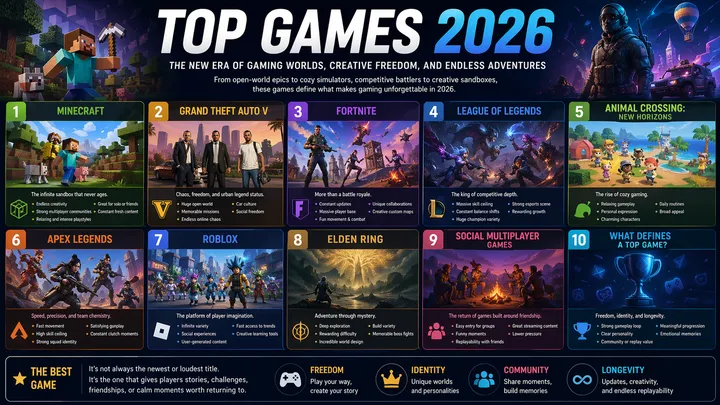
Apex Legends launched as one of the most exciting battle royale games in modern multiplayer history. Fast movement, unique Legends, smart ping systems, and intense squad fights helped it stand apart from slower or more chaotic competitors. But over time, one specific issue became more important than weapon balance, map rotations, or even new characters: ranked fatigue. Many players no longer quit because they dislike gunplay. They quit because the ranked experience slowly turns competition into emotional exhaustion.
This article explores a highly specific problem inside Apex Legends: how ranked progression systems, matchmaking pressure, time investment, and repeated reset cycles transformed ranked mode from an exciting challenge into a draining routine for many players. We will examine how this happened across time, why it affects casual and hardcore players differently, and what developers can learn from the problem.

The Early Seasons: Ranked Felt Like a Meaningful Climb
When ranked mode first became a major pillar of Apex Legends, many players were excited. Public matches were fun, but ranked gave purpose. Players now had visible goals: climb from Bronze to Silver, Gold to Platinum, and eventually Diamond or higher. Every match mattered because placement and kills contributed to progress.
At this stage, ranked felt fresh because it mirrored improvement. If you learned rotations, positioning, team fights, and loot efficiency, your rank often rose. Players believed the ladder reflected skill, even if imperfectly. The emotional reward of promotion was strong because progress seemed connected to growth.
Why Early Ranked Worked
- Clear sense of progression
- Higher stakes than public lobbies
- Motivation to improve mechanics
- Visible status among friends
Entry Costs Changed How People Played
As ranked systems evolved, entry costs became central. Losing points simply for joining a match created tension before combat even started. In theory, this encouraged smart decision-making. In practice, it often encouraged fear-based gameplay.
Many squads stopped seeking early fights. Instead, they hid, rotated slowly, or waited for late game placement. This created a strange contradiction: a shooter built around movement and combat sometimes rewarded avoiding action. Players who wanted exciting games often felt punished for aggression.
The Behavioral Shift
When survival matters more than fighting, players begin asking, “How do we lose the least?” instead of “How do we win the best?” That mental change is where fatigue begins.
Matchmaking Pressure Increased Emotional Stress
One of the most discussed problems in Apex Legends ranked is matchmaking inconsistency. Some matches feel balanced and competitive. Others feel wildly uneven, with lower-ranked players facing squads that appear far stronger, more coordinated, or mechanically superior.
Even when matchmaking is mathematically defensible, perception matters. If players repeatedly feel helpless, they stop trusting the ladder. Ranked only works when people believe each match offers a fair chance. Once that belief weakens, every loss feels suspicious and every gain feels temporary.
Common Player Reactions
- “Why am I fighting players far above my level?”
- “My teammates are random, enemies are coordinated.”
- “I need luck more than skill.”
Solo Queue Became a Different Game Entirely
Apex Legends is designed around squads, but many players enter ranked alone. This creates one of the sharpest divides in the game. A coordinated three-stack with voice communication has huge advantages over solo queue players relying on pings and guesswork.
Because of this, ranked difficulty is not equal across users. Two players at the same rank may experience completely different realities. One climbs with stable teammates and practiced synergy. Another struggles through random drops, disconnected partners, and mismatched playstyles.
Why Solo Queue Feels Exhausting
- No guaranteed communication
- Teammates may hot-drop recklessly
- Different goals within the same squad
- Harder recovery after mistakes
The Hidden Truth
For many users, ranked skill is partly team-finding skill.
Repeated Rank Resets Weaken Motivation
Seasonal resets are meant to refresh competition. They bring players back, create new climbs, and prevent ladders from becoming static. However, too many resets can also damage long-term motivation.
If a player spends dozens of hours reaching Diamond, only to be pushed downward again, the next climb may feel less meaningful. Instead of pride, they feel obligation. Instead of progress, they feel maintenance. The system asks them to re-earn what they already proved.
The Psychological Cost
Grinding is easier when goals are new. It becomes draining when goals are recycled.
Meta Dependence Added Another Layer of Stress
Ranked fatigue is not only about points. It is also about meta pressure. Certain Legends, weapons, and strategies become dominant. Players who simply want to enjoy favorite characters may feel disadvantaged if those picks are weaker in the current environment.
When success depends too heavily on running the “correct” composition, creativity shrinks. Instead of expressing playstyle, players copy what works. A game famous for unique Legends can feel surprisingly narrow at high competitive levels.
Examples of Meta Pressure
- Mandatory scan or recon utility
- Popular defensive endgame picks
- Weapons considered too efficient
- Team comps copied from pro play
Time Investment Became the Real Rank Requirement
Many players assume ranked measures only skill. In reality, it often measures skill plus available time. A talented player with limited weekly hours may climb slower than a decent player who can play every night.
This becomes frustrating for adults, students, or workers who love Apex Legends but cannot commit marathon sessions. They may feel permanently stuck below their true level because volume matters almost as much as quality.
The Time Equation
Even with a strong win rate, climbing can require many matches. Loss streaks, bad teammates, and resets stretch the process further.
Why This Matters
A competitive ladder should reward excellence efficiently, not only endurance.
Ranked Fatigue Changes How Players Behave In-Game
Once fatigue sets in, players stop experimenting. They become cautious, irritated, or detached. Some mute teammates immediately. Others blame randoms after small mistakes. Some avoid fights entirely, while others grief matches through reckless pushes because they are emotionally burned out.
This creates a self-reinforcing cycle. One tired player damages team morale. That team loses. Teammates become tilted and carry negativity into the next match. Over time, ranked communities can feel harsher than the game itself deserves.
Symptoms of Ranked Burnout
- Queueing while already frustrated
- Playing “just to recover points”
- Anger at normal variance
- No enjoyment after wins
Why Public Matches Often Feel Better Than Ranked
Many former ranked grinders eventually move to pubs, limited-time modes, or mixtape playlists. Why? Because those modes restore freedom. Players can test weapons, push fights, practice movement, or play unusual Legends without feeling punished.
This reveals an important design truth: tension creates excitement only when balanced by joy. If ranked becomes all pressure and no playfulness, alternative modes become emotionally healthier even if less prestigious.
What Casual Modes Restore
- Low-stakes experimentation
- Shorter emotional recovery after losses
- Less teammate conflict
- Fun-first mindset
How Apex Legends Could Fix Ranked Fatigue
The solution is not to remove difficulty. Ranked should be demanding. But difficulty must feel fair, meaningful, and sustainable. Apex Legends can preserve competition while reducing exhaustion through smarter systems.
Better matchmaking transparency, improved solo queue protections, more efficient progression for strong performance, and healthier reset structures would all help. Rewarding decisive wins rather than passive survival could also restore excitement.
High-Value Improvements
- Separate solo/duo/full-stack ranked queues
- Clear explanation of matchmaking logic
- Reduced repetitive seasonal demotion
- Greater rewards for impactful combat wins
- Anti-tilt features like progress floors or streak buffers
Most Important Principle
Players should leave ranked feeling challenged—not drained.
Conclusion
Apex Legends remains one of the best shooters in the genre because its movement, gunplay, and squad tension are still exceptional. Yet the ranked fatigue crisis shows how even great gameplay can be weakened by progression design. What began as a meaningful ladder gradually became, for many players, a cycle of pressure, resets, inconsistent matchmaking, and heavy time demands. Ranked should be where skill shines brightest, not where enthusiasm fades fastest. If Apex Legends can redesign ranked around fairness, clarity, and sustainable motivation, it can turn its most exhausting mode back into its most respected one.