Introduction
Poppy Playtime entered the horror scene with strong momentum. Its abandoned toy factory setting, puzzle-based exploration, GrabPack mechanics, and oversized toy monsters immediately attracted players and streamers. Yet one highly specific issue quickly emerged: the game’s most famous character, Huggy Wuggy, became more culturally powerful than the actual gameplay experience. In many ways, the mascot overshadowed level design, storytelling depth, pacing, and later chapters.
This article explores a focused problem inside Poppy Playtime: what happens when one mascot character becomes larger than the product itself. We will examine how Huggy Wuggy’s design fueled explosive popularity, how internet culture reshaped public perception, how later chapters responded, and why mascot-first fame can both help and harm a horror franchise.
The First Chapter Created an Instant Visual Icon
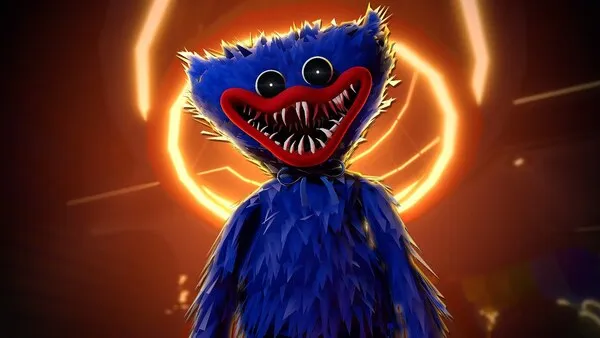
When players first met Huggy Wuggy in Chapter 1, the design was unforgettable. A tall blue plush creature with exaggerated limbs, wide eyes, bright fur, and a smile filled with sharp teeth created immediate contrast. It looked like a child’s toy corrupted into something predatory.
This design worked because it communicated horror instantly without requiring lore. Even people who never played the game could understand the concept from one screenshot. In modern gaming culture, that matters enormously. If a monster is recognizable in one glance, it spreads faster online.
Why the Design Went Viral
- Simple blue silhouette
- Friendly toy shape mixed with danger
- Memorable name
- Strong reaction in thumbnails and clips
Streamers Turned Fear Into Entertainment
Poppy Playtime’s early success was strongly tied to content creators. Streamers and YouTubers transformed Huggy Wuggy from a scary enemy into a reaction machine. Jump scares, chase scenes, screams, and exaggerated panic became entertainment content watched by millions.
This shifted the audience relationship with the character. Huggy Wuggy was no longer only an in-game threat. It became a performer that generated views. Players often knew the chase scene before buying the game, which reduced mystery but increased fame.
The Content Economy Effect
Some horror monsters become famous through lore. Huggy Wuggy became famous through reactions.
Merchandising Arrived Faster Than Narrative Depth
Once Huggy Wuggy exploded in popularity, merchandise naturally followed. Plush toys, costumes, fan art, stickers, school accessories, and imitation products spread rapidly across online markets. This created a strange loop: a monster designed as satire of toys became a real toy phenomenon.
However, merchandise growth moved faster than story expansion. Many people recognized Huggy Wuggy while knowing almost nothing about Playtime Co., experiments, character origins, or broader lore. The brand image outran the narrative foundation.
The Risk of Fast Branding
- Character known more than story
- Buyers who never played the game
- Identity tied to mascot only
- Pressure to keep repeating the formula
Chapter 2 Had to Escape the Huggy Shadow
When Chapter 2 arrived, the developers faced a difficult challenge: continue relying on Huggy Wuggy or prove the universe had depth beyond him. Mommy Long Legs became the new central threat, introducing a different style of horror based on manipulation, stretching movement, and psychological menace.
This was necessary, but risky. Some fans wanted another Huggy-style chase icon. Others wanted expansion. Any new monster would be compared against the blue mascot that made the franchise famous.
Why Success Was Complicated
If Chapter 2 copied Huggy, it would feel repetitive. If it moved too far away, some players would lose the original appeal.
Internet Memes Softened the Horror
As Huggy Wuggy spread across social media, meme culture transformed the character. Funny dances, romantic jokes, parody songs, cartoon edits, and harmless fan animations diluted fear. This happens often in horror media: once a monster becomes familiar, it becomes playful.
The paradox is clear. Memes increase visibility, but visibility reduces terror. A creature repeatedly turned into jokes becomes harder to fear inside the game itself.
Examples of Meme Conversion
- Dancing Huggy edits
- Comedy skits
- Child-friendly animations
- Song remixes
The Psychological Shift
Recognition replaces uncertainty, and uncertainty is one of horror’s strongest tools.
Younger Audiences Changed Public Perception
Although Poppy Playtime is horror-themed, the toy aesthetic attracted many younger viewers. Bright colors, plush-like characters, and cartoon visuals looked accessible compared to realistic horror games. As clips spread online, many children engaged with the franchise through videos rather than direct gameplay.
This changed public perception dramatically. Instead of being discussed purely as horror, the game often entered debates about child audiences, appropriateness, and internet culture. The mascot became a cross-generational symbol rather than a niche horror villain.
Why This Matters
- Broader audience than intended
- Different expectations for tone
- Stronger merchandising demand
- Less emphasis on horror purity
Lore Had to Work Harder Than Visual Branding
As the mascot gained fame, the deeper story had to fight for attention. The experiments, missing staff, corporate cruelty, and tragic transformations within Playtime Co. contain darker ideas than casual observers may realize. But lore requires time, reading, and engagement.
A mascot image spreads in seconds. Story systems spread slowly. This imbalance means many outsiders think Poppy Playtime is “the Huggy Wuggy game” rather than a narrative horror series about exploitation and identity.
The Core Problem
Visual branding is immediate. Lore is earned. Immediate things usually win first.
Later Chapters Needed Multiple Icons, Not One
To grow beyond dependence on Huggy Wuggy, later chapters needed a roster of memorable antagonists. Characters such as CatNap and others broadened the universe by adding different emotional tones, designs, and threat styles.
This is how franchises mature. They stop relying on a single symbol and create ecosystems of memorable figures. If every chapter exists only to recreate Huggy Wuggy lightning, long-term growth becomes fragile.
Benefits of a Wider Cast
- Fresh gameplay encounters
- More lore connections
- Different horror moods
- Reduced mascot dependency
The Franchise Must Balance Toy Appeal and Terror
Poppy Playtime’s greatest strength is also its challenge: toys are naturally marketable, but marketability can soften horror. Cute shapes invite affection. Horror needs discomfort. The game constantly walks between those two poles.
If characters become too cute, fear weakens. If designs become too monstrous, the unique toy identity weakens. The franchise succeeds when it keeps both feelings active at once.
The Ideal Balance
A player should want the plush on a shelf—and still feel uneasy looking at it at night.
What the Huggy Wuggy Era Teaches Horror Games
Poppy Playtime demonstrates a modern truth: in the social media age, horror success often begins with character recognizability before narrative mastery. A monster that works in thumbnails can launch a franchise faster than deep writing alone.
But long-term respect requires more than a mascot. Sustained success comes from pacing, worldbuilding, mechanics, emotional stakes, and evolution beyond the first viral icon. Poppy Playtime’s future depends on becoming more than the memory of its most famous face.
Lessons for Developers
- Iconic design creates discovery
- Lore sustains long-term fans
- Memes help reach but reduce fear
- New chapters must expand identity
- Mascots should open doors, not trap franchises
Conclusion
Poppy Playtime rose quickly because Huggy Wuggy was one of the most instantly recognizable horror mascots of the streaming era. That fame gave the franchise enormous momentum, but also created a specific dilemma: the mascot became bigger than the game’s systems, story, and later characters. While branding power helped sales and awareness, it risked simplifying public understanding of a richer universe. The path forward is clear. Poppy Playtime must use mascot fame as a foundation, not a ceiling. If it continues building memorable characters, deeper lore, and stronger gameplay, it can evolve from a viral horror hit into a lasting horror franchise.